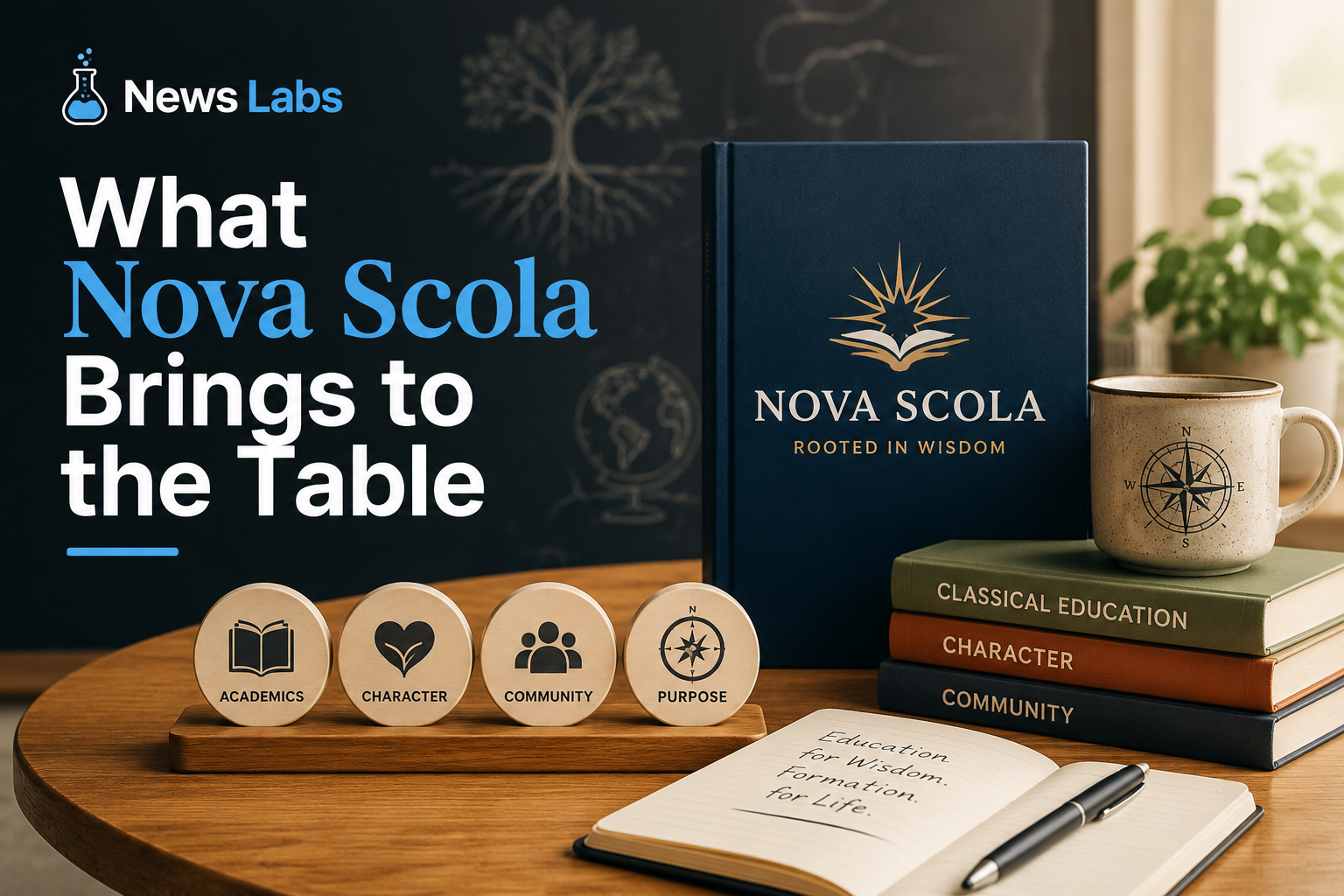
Introduction to Nova Scola
In a world where education continues to evolve, Nova Scola offers a fresh perspective that prioritizes the needs of the modern learner. By reimagining how knowledge is delivered and acquired, it challenges outdated norms and introduces a learner-driven framework. This approach shifts the focus from passive absorption of information to active participation, ensuring students are not only recipients but active contributors to their educational journey. With an emphasis on adaptability, Nova Scola recognizes that each student has unique strengths and learning styles, paving the way for a more inclusive and customized experience. This model encourages a balance between academic rigor and practical skill development, preparing individuals to thrive in a society that values creativity and problem-solving. By integrating innovative techniques and fostering a culture of curiosity, Nova Scola sets the stage for meaningful, impactful learning that resonates well beyond the classroom walls.
The Principles of Nova Scola
At the core of Nova Scola lies a commitment to creating a learning environment that values individuality and growth. This model champions personalized education, allowing students to tailor their learning paths to suit their interests and abilities. By focusing on collaboration, it encourages group projects and discussions that promote teamwork and diverse perspectives. Critical thinking is another essential component, as students are encouraged to analyze, question, and problem-solve rather than merely memorizing facts. Nova Scola also embraces the integration of technology, offering tools that make learning more interactive and accessible. Instead of rigidly adhering to traditional structures, it promotes flexibility, enabling educators to adapt methods to better meet the needs of their students. By fostering a sense of agency in learners, Nova Scola inspires confidence and initiative, equipping individuals with the tools to tackle challenges creatively. These guiding principles aim to cultivate a generation of thinkers and innovators who are prepared to navigate an ever-changing world.
Impact on Education
Through the adoption of Nova Scola, education has seen a dynamic shift toward approaches that prioritize creativity and real-world application. By encouraging students to actively engage with the material, this method fosters deeper understanding and retention of knowledge. Project-based learning initiatives allow students to explore subjects through hands-on activities, which help them connect theoretical concepts to practical scenarios. Interdisciplinary approaches further enrich the learning process, combining various fields of study to spark curiosity and innovation. The integration of advanced technology has made educational content more interactive, accommodating diverse learning preferences and needs. Instructors benefit from these advancements as well, gaining tools to better tailor lessons and address the unique challenges of their classrooms. These shifts have led to environments where students are not only absorbing knowledge but are also empowered to apply it creatively. This focus on active participation and real-world relevance makes the learning process more meaningful for students and educators alike.
Challenges and Opportunities
The transition to Nova Scola requires educators and institutions to rethink established practices, which can be both complex and resource-intensive. Traditional classroom setups may not align with its innovative framework, necessitating changes in infrastructure and teaching tools. Teachers may need additional training to adopt new strategies effectively, and the integration of technology can be a steep learning curve for some. Additionally, ensuring equal access to resources, especially in underfunded areas, presents a significant hurdle. However, these obstacles also open doors for professional development and collaboration among educators. The shift encourages schools to build stronger support networks and seek partnerships that enhance educational offerings. These efforts can spark creativity and lead to the discovery of strategies that not only address existing challenges but also improve the overall learning experience. While the initial phases of implementation may be demanding, they offer an invaluable chance to reshape education into a system that better supports students and teachers alike.
Future of Nova Scola
As Nova Scola continues to gain traction, its potential to transform education becomes increasingly evident. By fostering an adaptable and learner-focused model, it inspires institutions to rethink traditional approaches and embrace strategies that prioritize creativity and critical thinking. Advancements in technology will play a key role in expanding access to personalized tools and resources, ensuring students and educators benefit from innovative methods. Collaboration among schools, educators, and communities will further enhance its implementation, driving continuous improvement and inclusion. This evolution encourages education systems to remain responsive to societal changes, equipping learners with the skills necessary to thrive in a rapidly changing world. By championing adaptability and forward-thinking practices, Nova Scola not only addresses current educational needs but also lays the groundwork for a system that evolves alongside the demands of future generations.