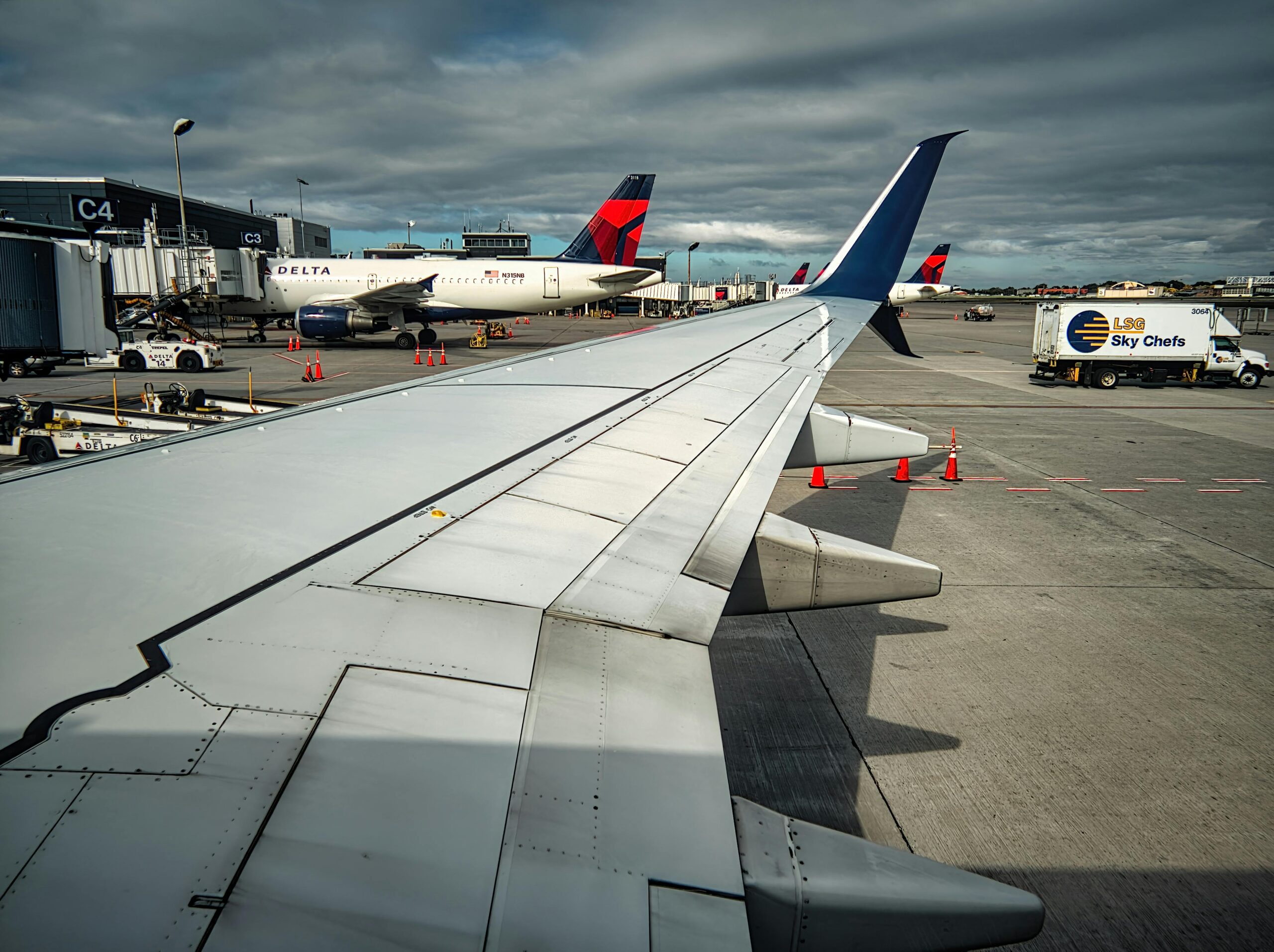
Introduction to the Flight Incident
Delta Flight DL275, traveling from Tokyo to Atlanta, encountered an unexpected situation that required a mid-flight adjustment to its route. The flight made an unplanned landing at Los Angeles International Airport (LAX), drawing attention from both passengers and the aviation community. Such diversions, though uncommon, are a critical part of ensuring passenger safety and addressing operational concerns promptly. While the specific issue arose during the journey, the flight crew remained committed to handling the situation effectively.
Reasons for the Diversion
A technical issue prompted the rerouting of Delta Flight DL275 to Los Angeles International Airport. Mid-flight, the crew identified a mechanical irregularity that required immediate attention. The pilot coordinated with air traffic control to evaluate potential landing options and determined that LAX offered the necessary facilities to address the situation efficiently. The airport’s advanced maintenance resources and proximity made it an ideal choice under the circumstances. While there was no immediate threat, the decision to land in Los Angeles reflected the airline’s precautionary approach to operational safety.
Impact on Passengers
The diversion of Delta Flight DL275 led to an unexpected disruption for passengers, who were traveling from Tokyo to Atlanta. As the aircraft rerouted to Los Angeles, the flight crew remained attentive, providing timely updates to ensure passengers were well-informed throughout the process. Despite the unforeseen circumstances, efforts were made to keep the situation as manageable as possible for those on board.
Upon arrival at Los Angeles International Airport, passengers were guided through the disembarkation process and given clear instructions regarding the next steps. Delta Airlines quickly arranged accommodations, including hotel rooms for those requiring overnight stays, along with meal vouchers to address immediate needs. Additionally, passengers were assisted in rebooking flights to continue their journeys to their final destinations.
For those who experienced delays and other inconveniences, the airline extended compensation as a gesture of goodwill. Delta’s staff at the airport worked to provide personalized support, ensuring travelers had access to the resources they needed to minimize the disruption to their plans. Despite the challenges of the unexpected landing, passengers expressed appreciation for the crew’s professionalism and the airline’s proactive response to an otherwise inconvenient situation.
Response from Airline and Authorities
Delta Airlines worked swiftly to manage the situation following the unscheduled landing at Los Angeles International Airport. The airline coordinated with ground staff to ensure passengers were guided smoothly through the process upon disembarkation. Efforts were made to address immediate passenger needs, including arranging alternative travel plans and providing accommodations where necessary.
Los Angeles International Airport staff assisted Delta Airlines in streamlining operations during the diversion. Both teams worked together to minimize delays and disruptions, ensuring that passengers received the required support to continue their journeys. Additionally, maintenance teams at LAX conducted inspections of the aircraft to address the reported technical issue.
The Federal Aviation Administration monitored the situation closely, offering oversight to ensure that all necessary protocols were followed in response to the diversion. Coordination between Delta Airlines, airport personnel, and regulatory authorities highlighted the importance of collaboration in maintaining operational efficiency and passenger safety.
Lessons and Future Preventive Measures
Airlines consistently strive to enhance their safety protocols and operational procedures in light of unexpected incidents. The diversion of Delta Flight DL275 underscores the need for continued investment in advanced aircraft monitoring systems to identify and address mechanical issues before they escalate. Enhanced pilot training programs can also focus on equipping flight crews with the tools and knowledge to manage mid-air challenges effectively.
Further, fostering seamless communication between the airline, airport staff, and regulatory bodies ensures a coordinated response when unforeseen circumstances arise. This collaborative approach not only minimizes disruptions but also prioritizes passenger welfare throughout the process. Airlines might also consider refining contingency planning for diversions, such as prearranging resources at key airports to expedite accommodations and onward travel for passengers.
Emphasizing transparency is equally important. Providing passengers with timely and clear updates during unexpected situations can reduce confusion and build trust. The incorporation of passenger feedback after incidents can guide airlines in developing improved protocols and services that address customer concerns more effectively.
The aviation industry is continually evolving, and each incident serves as a reminder to prioritize innovation and preparation. By adopting proactive measures and adapting to challenges, airlines can further strengthen the safety and reliability of air travel.