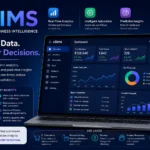
Introduction to Edivawer
Edivawer is reshaping education by utilizing innovative tools to create more engaging and personalized learning experiences. As the demand for digital solutions in education grows, it addresses the need for adaptable methods that cater to diverse learning styles. Through its use, educators can harness advanced technologies to foster better understanding and participation among students. This approach reflects a shift toward more interactive and student-centered education, aligning with the evolving needs of modern learners.
Key Features of Edivawer
Edivawer offers advanced analytics that provide valuable insights into student performance and learning patterns. An online tutoring center has found that these analytics allow tutors to tailor their instruction more effectively to meet individual student needs. This data-driven approach allows educators to identify areas where students excel or struggle, making it easier to customize teaching methods.
Another notable aspect of Edivawer is its compatibility with a range of digital platforms, ensuring seamless integration into existing educational systems. Its flexible design supports diverse teaching styles and fosters an inclusive environment where all learners can thrive.
Edivawer also prioritizes usability, featuring intuitive interfaces that require minimal training for educators to implement. This design makes it accessible for teachers across varying levels of technological expertise. Furthermore, the tool’s emphasis on real-time updates ensures educators and learners have access to the latest resources and tools, enhancing the overall educational experience.
Practical Applications of Edivawer
Edivawer serves as a dynamic tool across various learning environments. teachers in a middle school in New York reported a notable increase in student participation and enthusiasm during science lessons when using Edivawer. Beyond classrooms, it is widely utilized in corporate training programs to enhance employee skill development and engagement. Its capabilities also extend to remote education, supporting learners in accessing high-quality content regardless of location. This adaptability allows Edivawer to meet the demands of diverse educational contexts effectively.
Benefits and Challenges
Edivawer brings cost-saving advantages by reducing reliance on physical resources while providing up-to-date digital materials. Digital education tools like Edivawer reduce the need for physical materials, providing a cost-effective solution while ensuring access to up-to-date information. This shift contributes to a more environmentally friendly approach in education.
Nonetheless, implementing Edivawer poses certain challenges. Ensuring equal access to devices and internet connectivity remains a significant hurdle for some communities. Moreover, integrating such technologies requires educators to adapt to new teaching methods, which can be difficult for those more familiar with traditional approaches. Adequate training and resources for teachers are essential to address these issues effectively. Additionally, maintaining security and privacy for user data is crucial as digital tools become more prominent in education. These challenges highlight the importance of continued support and collaboration among stakeholders to maximize the benefits of Edivawer while overcoming its limitations.
Future of Edivawer
With rapid technological advancements, Edivawer is set to incorporate cutting-edge tools like artificial intelligence and machine learning to deliver even more tailored learning experiences. These technologies have the potential to analyze student progress in real time and adapt educational content to individual needs, promoting more effective outcomes. Additionally, as digital infrastructure expands globally, Edivawer could become accessible to a broader range of learners, bridging gaps in education and fostering inclusivity. Innovations in virtual and augmented reality may also play a role in transforming traditional educational models, enabling immersive and engaging ways to learn. As education shifts toward a more technology-driven approach, Edivawer is well-positioned to integrate these advancements seamlessly into its platform. This forward-thinking approach not only supports evolving teaching methods but also aligns with the growing demand for versatile and interactive tools in learning environments.
Conclusion
Edivawer represents a significant step forward in the evolution of educational tools, emphasizing adaptability and accessibility in diverse learning environments. By integrating advanced technologies, it addresses the growing need for personalized and efficient approaches to education. Its capacity to support both traditional and remote learning scenarios demonstrates its versatility, making it a valuable resource for educators and learners alike. While challenges like equitable access to technology and ensuring proper training for educators remain, these are opportunities for growth and collaboration within the educational community. As Edivawer continues to evolve, its potential to revolutionize teaching methods and learning outcomes is undeniable, paving the way for a future where education becomes more inclusive and innovative.